 Image 1 of 1
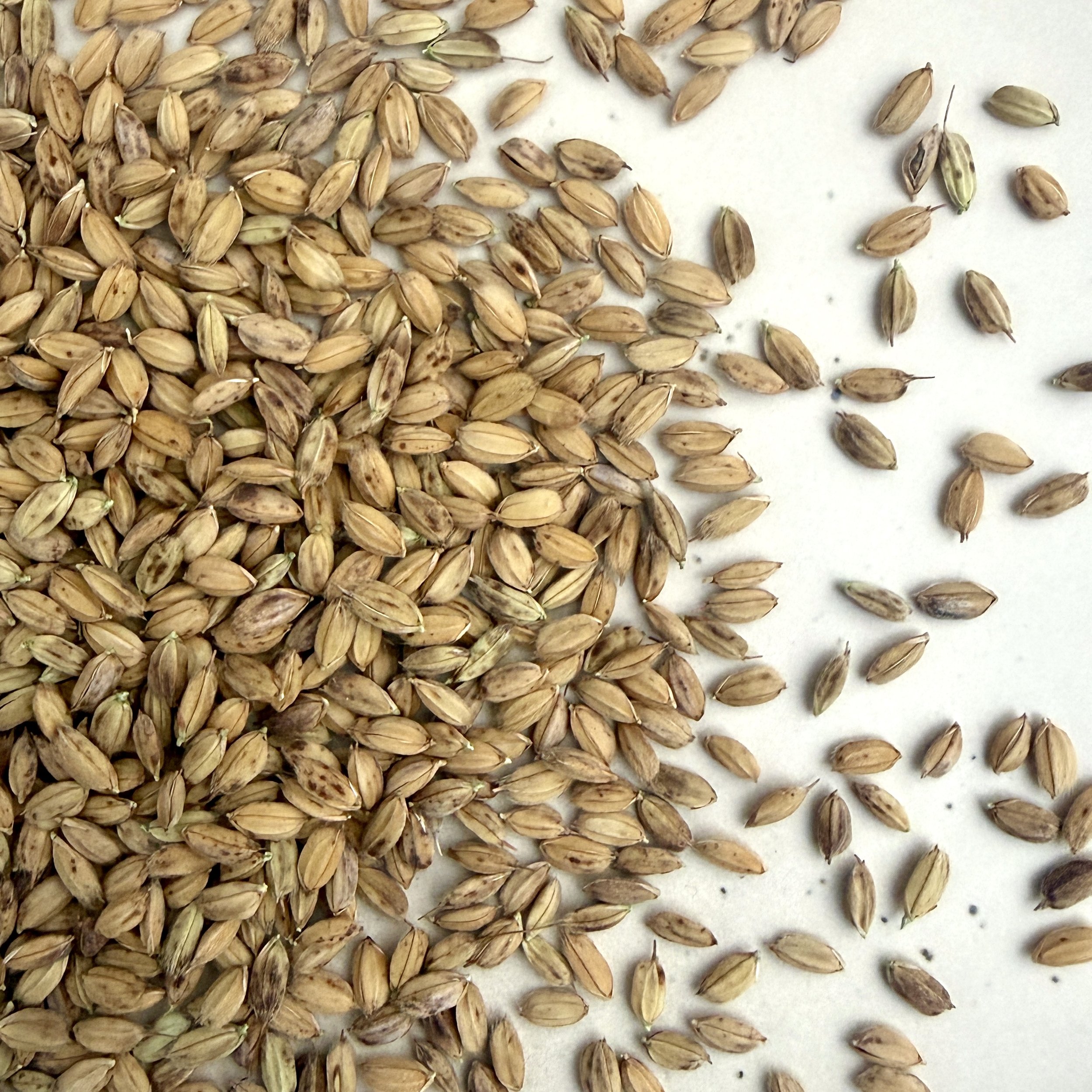
Product Description: (Oryza sativa) Duborskian is an exceptional short-season heirloom that helped establish rice as a viable crop here in New England. Described by Cornell soil scientist John Peverly as originating in Ukraine, Duborskian made its way to New England in 1983, when farmer Christian Elwell (an early pioneer of Northeast rice cultivation) began growing it at South River Farm in Massachusetts. Today, it remains an excellent choice for northern growers looking to experiment with homegrown rice.
Unlike conventional paddy rice, Duborskian can be grown as an upland crop without standing water. Its relatively early maturity and adaptability are matched by excellent eating quality, with favorable flavor assessments in agricultural trials. Each plant stands about 20–24" in height and produce 12–18 tillers. 40 seeds per packet.
Growing Information: Begin soaking the rice seeds in mid-April, refilling the container with fresh water daily until a small white shoot begins to emerge from one end of the seed. Plant the seeds into plug trays with potting soil with the shoot facing up. Transplant outdoors after all danger of frost has passed, spacing the plants 8-10 inches apart. Keep the soil evenly moist until the plants become established (mulching is recommended). Saturate the soil when the panicle/seed head begins to form inside the stem (around 45 days old). After harvest, thresh the seed to remove any chaff. Best stored with the hulls attached but these will have to be removed before consumption. This is most easily accomplished with dehulling equipment but can be done by hand using a variety of methods. 110 days to maturity.
How To Save Rice Seeds
With no need to remove any hulls, growing rice for seed is easier than growing it for food! Simply allow the seed heads to fully mature on the stalk, harvest the hulled grains, winnow off any loosee chaff, and dry the remaining seeds thorougly.